Blog
From Analog to Digital: Choosing the Right Radio Technology for Your Needs

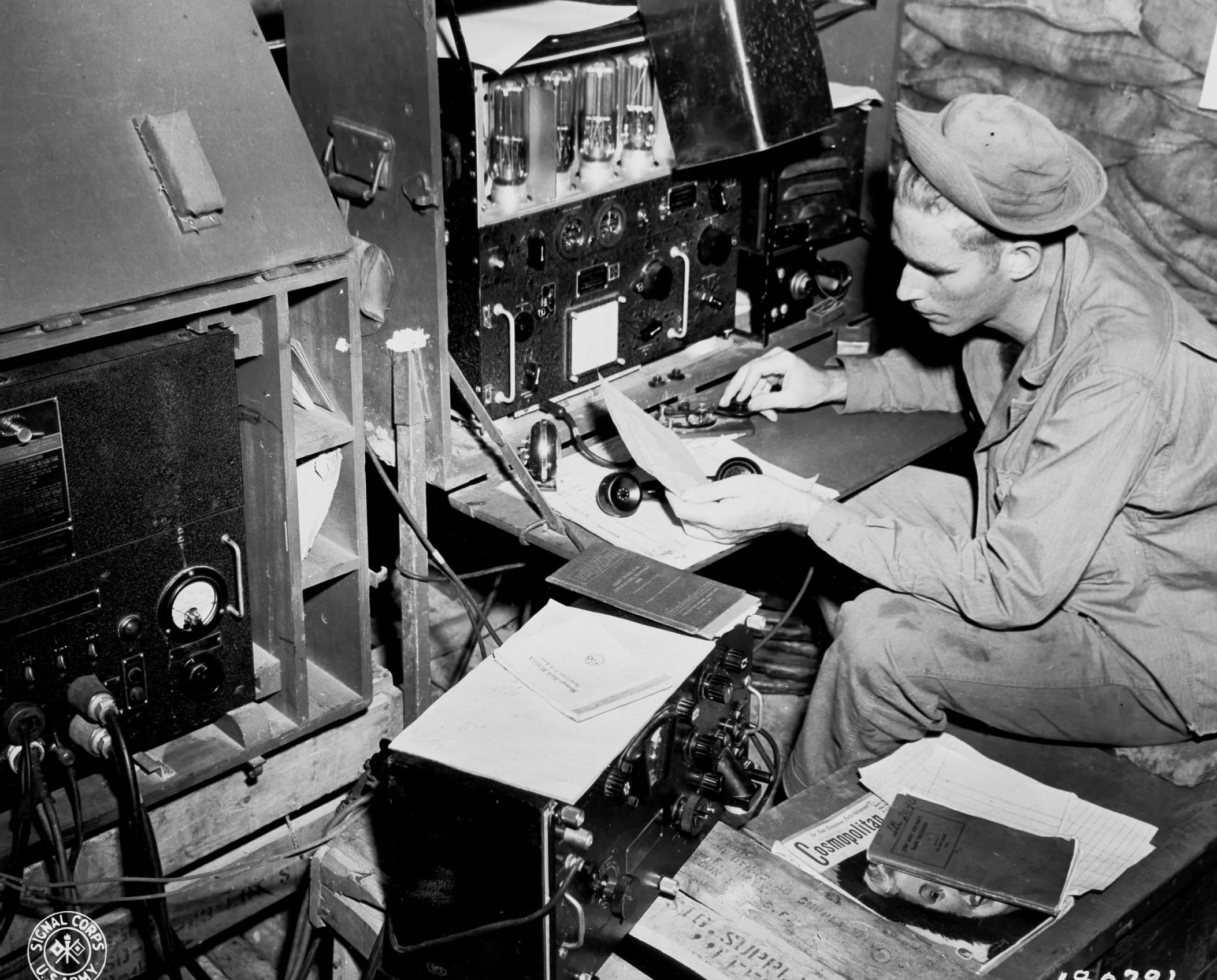
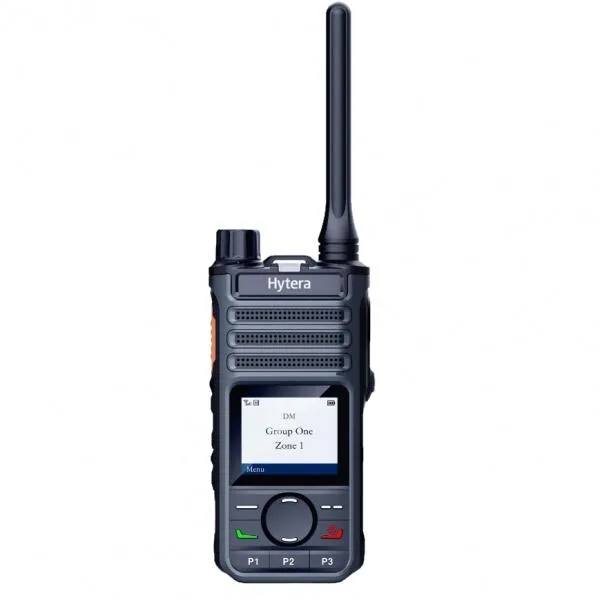
In an era where technology seamlessly integrates into our daily lives, the evolution of radio technology stands out as a testament to human innovation. From the crackle of AM frequencies filling the airwaves to the crisp clarity of digital broadcasts, the journey from analog to digital has transformed the way we connect with details and entertainment. Whether you prefer analog two way radios or digital units, we carry both. As we navigate this dynamic landscape, choosing the right radio technology can feel like a daunting task. With a plethora of options available, each promising features that cater to different preferences and needs, making an informed decision is essential. This article delves into the key considerations and distinctions between analog and digital radio technologies,providing you with the insights necessary to select the perfect solution for your listening experience. Weather you’re a nostalgic aficionado of classic broadcasts or a tech-savvy enthusiast eager to embrace the latest advancements,understanding the nuances of these technologies will empower you to tune into the future of radio.
Table of Contents
- Exploring the Spectrum of Radio Technologies
- Understanding the Benefits of Digital Over Analog
- Identifying Your Needs: Features and Functionality
- Making the Transition: Tips for a Smooth Upgrade
- Q&A
- The Way Forward

Exploring the Spectrum of Radio Technologies
When delving into the diverse world of radio technologies, it’s essential to understand their unique characteristics and applications.analog radio systems, known for their straightforward signal transmission, have been the backbone of communication for decades. They maintain a simple structure and are often celebrated for their reliability in remote areas. Conversely, digital radio technologies, such as DAB (Digital Audio Broadcasting) and DRM (Digital Radio Mondiale), offer improved sound quality and additional features, including data services. The choice between these systems often hinges on specific needs, such as audio fidelity, range of transmission, and the intended audience.
To illustrate the differences further,consider the following key factors when assessing radio technology options:
- Sound quality: Digital systems typically provide a clearer and more consistent audio experience.
- Transmission Range: Analog radios might perform better in remote areas, but digital options are advancing in this sphere.
- Infrastructure Requirements: Setting up digital systems can be costlier due to advanced technology needs.
- Content Options: Digital services often offer a broader range of programming, appealing to niche audiences.
| Technology Type | Advantages | Considerations |
|---|---|---|
| Analog | Simple,reliable,lower setup cost | Limited audio quality and features |
| Digital | High quality,additional services,less interference | Higher installation and maintenance costs |

understanding the Benefits of Digital Over Analog
When comparing digital and analog technologies, several advantages highlight why digital might be the preferred choice for many users. Digital radio offers superior sound quality, minimizing interference and static, which can frequently enough plague analog signals.This clarity not only enhances the listening experience but also allows for a wider range of frequencies, enabling access to more channels. Moreover, the ability to transmit additional data alongside audio, such as artist information and song titles, is a substantial benefit of digital over analog systems.These features collectively create a more immersive and informative experience for the listener.
another compelling reason to choose digital technology is its enhanced reliability and robustness. Digital signals are less susceptible to various environmental factors, ensuring a more consistent performance, even in challenging conditions. in addition to improved signal resilience, digital systems often come with advanced features such as automatic tuning and the ability to record live broadcasts. The table below summarizes some key distinctions that illustrate the advantages of going digital:
| Feature | digital Radio | Analog Radio |
|---|---|---|
| sound quality | High fidelity, clear | Prone to noise and static |
| Channel Availability | Broader range, more channels | Limited options |
| Data Transmission | Yes (e.g., song info) | No |
| Signal Consistency | Highly reliable | variable quality |

Identifying Your Needs: Features and functionality
When transitioning from analog to digital radio technology, it’s essential to first evaluate the features that are most important for your specific needs. Consider the following aspects to ensure that your choice aligns with your requirements:
- Sound Quality: Evaluate the audio clarity and modulation options of various models.
- Range: Consider how far you need the signal to reach—this affects your choice between different technologies.
- Portability: Depending on your lifestyle, you might need a device that is easy to carry or use on the go.
- User Interface: A user-pleasant interface can enhance your experience, especially if you’re not tech-savvy.
Additionally, functionality plays a crucial role in your decision-making process. Look into the following capabilities that digital radios can provide:
- Streaming Services: Some models offer integration with popular music and podcast platforms.
- Multi-Band Reception: This feature allows you to access various broadcasting formats, ensuring you never miss your favorite shows.
- Customization Options: Check if the device allows you to create presets or playlists according to your preferences.
- Safety Features: Emergency alerts and weather updates could be important based on your location.
| feature | Importance | Considerations |
|---|---|---|
| Sound Quality | High | choose models with high fidelity for the best experience. |
| Range | Medium | Longer ranges work better in rural areas. |
| User Interface | High | Intuitive design reduces frustration. |
| Streaming Services | medium | Popular among younger listeners. |

Making the transition: Tips for a Smooth Upgrade
Transitioning from analog to digital radio technology can seem daunting, but with the right approach, it can be a rewarding experience. Start by assessing your listening habits and identifying what you value most in radio technology. This could involve the variety of channels, sound quality, or additional features like streaming services and podcasts. Creating a checklist can streamline your decision-making process, ensuring you don’t overlook essential elements. Here are some factors to consider:
- Audio Quality: Does the digital format enhance the listening experience?
- Channel Availability: Are your favorite stations easily accessible?
- Portability: Will you need a device that can travel with you?
- User Interface: How intuitive is the system for navigating channels and features?
As you prepare for this upgrade, you may find it beneficial to consult with professionals who can guide you toward compatible devices and tech. Consider joining online forums or local groups where enthusiasts share their experiences and recommendations. Keeping an eye on product reviews and comparisons can also steer you toward the best value for your needs. Creating a simple matrix can help visualize your options:
| Device | Audio Quality | Channel Options | Price Range |
|---|---|---|---|
| Digital Radio A | High | 50+ | $$ |
| Digital Radio B | Medium | 30+ | $ |
| Smart Speaker | Variable | Unlimited (via apps) | $$$ |
Q&A
Q&A: From Analog to Digital – Choosing the Right Radio Technology for Your Needs
Q1: What are the main differences between analog and digital radio technologies?
A1: Analog radio technology transmits sound waves in their continuous form,which can result in varying sound quality and interference,especially as the signal weakens. Digital radio, on the other hand, converts audio into binary data, which can be compressed and transmitted more efficiently. This leads to clearer sound quality, reduced noise, and the ability to transmit additional information like song titles and artist names.
Q2: Why should I consider switching from analog to digital radio?
A2: Switching to digital radio offers numerous advantages such as improved sound quality, more programming options, and access to a variety of services like weather updates and traffic information. Digital radios are also equipped for future advancements, ensuring that your technology remains relevant as broadcasting continues to evolve.
Q3: What types of digital radio formats are available?
A3: There are several digital radio formats to consider,including Digital Audio Broadcasting (DAB),HD Radio,and Internet Radio. DAB is widely used in Europe, offering numerous channels within a single frequency. HD Radio, popular in the United States, enhances AM and FM broadcasts with digital sound. Internet Radio provides a global reach, allowing access to thousands of stations online, catering to niche interests.
Q4: How do I know which radio technology is best for my needs?
A4: To determine the best radio technology for you,consider your listening preferences,location,and intended use. If you enjoy local programming and prefer a customary listening experience,HD Radio or DAB might be ideal. However, if you seek a broader range of content and the flexibility to listen anywhere, Internet Radio could be the best choice.
Q5: Are there any limitations to digital radio?
A5: While digital radio offers many benefits, it can be less effective in remote areas where digital signals may not be readily available. Additionally,some digital formats may require compatible receivers,which could lead to higher initial costs. It’s worth evaluating your local coverage and existing equipment before making the switch.
Q6: How can I make the transition from analog to digital radio smoothly?
A6: Start by researching which digital radio format is most accessible in your area. Invest in a compatible receiver or explore apps and devices that allow streaming of Internet Radio. Gradually integrate digital broadcasting into your routine by exploring the diverse options available. Many listeners find that the transition enhances their overall listening experience.
Q7: Are there any future trends in radio technology I should be aware of?
A7: The radio landscape continues to evolve, with advancements such as Next Generation Audio (NGA) and increased integration of smart technology. NGA aims to offer personalized, on-demand content tailored to individual listeners, while smart speakers and devices are making radio more accessible than ever. Staying informed about these trends can definitely help you choose technology that is future-proof and enhances your listening experience.
—
Q8: Where can I learn more about radio technology options?
A8: There are numerous online resources,including websites dedicated to radio technology and forums where enthusiasts discuss their experiences. Local electronics stores may offer insights about product capabilities, and specialized radio shows or podcasts can provide valuable information. It’s an excellent idea to explore various sources to find what aligns best with your interests.
The Way Forward
In a world where technology evolves at breakneck speed,the leap from analog to digital radio presents both opportunities and challenges. As we’ve explored,the transition is not merely about swapping one technology for another; it’s about understanding your unique needs and the diverse functionalities that each type of radio technology offers. Whether you’re an avid traveler, a music enthusiast, or just someone looking for reliable communication, the key is to find a solution that resonates with your lifestyle.
As you embark on your journey to select the right radio technology, consider the factors that matter most to you—be it audio quality, portability, connectivity options, or the ease of use. By weighing these elements thoughtfully against your needs, you’re empowered to make an informed choice that enhances your listening experience or connectivity.
Ultimately, the right radio technology is not just about choosing between analog or digital; it’s about embracing the evolution of sound and connectivity in a way that enriches your daily life. So as you tune into your options, remember: the future of radio is not just about what you listen to, but how it connects you to the world around you. Happy listening!