Blog
Ski Resorts and Two-Way Radios: Keeping Slopes Safe and Organized


As winter blankets the mountains in a soft layer of powder and thrill-seekers flock to ski resorts in search of adventure, the importance of safety and organization on the slopes becomes paramount. Amidst the excitement of crisp air and expertly carved turns, two-way radios have emerged as indispensable tools for ski patrol teams, resort staff, and even enthusiastic skiers.These compact dialog devices not only enhance the seamless operation of ski resorts but also ensure the well-being of everyone on the mountain. In this article, we will explore the vital role that two-way radios play in maintaining safety, facilitating communication, and enhancing the overall skiing experiance, while highlighting the unique synergy between technology and the great outdoors. Join us as we navigate the snowy terrains of ski resorts and uncover how these communication lifelines keep the slopes safe and organized for all.
Table of Contents
- Exploring the Role of Two-way Radios in Ski Resort Safety
- Enhancing Communication Among Ski Patrol and Resort Staff
- Best Practices for Effective use of Two-Way Radios on the Slopes
- Choosing the right Two-Way Radio for Your Skiing Experience
- Q&A
- Future Outlook
 walkie talkies suited to your team size and budget in our shop.lenovowalkietalkie.com/wp-content/uploads/0x2000.jpg” alt=”Exploring the Role of Two-Way Radios in Ski Resort Safety”>
Exploring the Role of Two-Way Radios in Ski Resort Safety
In the vast expanse of ski resorts, communication can be the difference between a fun day on the slopes and a safety emergency handled ineffectively. Two-way radios play an essential role in maintaining safety protocols among staff members, ski patrollers, and even guests during unpredictable conditions. These devices allow for immediate communication,enabling teams to coordinate efficiently in situations that require rapid response,such as injuries or inclement weather. The ability to communicate in real-time can also help in managing the flow of skiers, ensuring that trails remain organized and safe for everyone.
The significance of two-way radios extends beyond emergencies; they foster a culture of safety and awareness among resort operations. Some key advantages include:
- Instant Communication: Staff can quickly inform each other of hazards or accidents.
- Operational Coordination: Ski patrollers can strategically manage slopes, preventing congestion and ensuring smooth traffic flow.
- Guest Interaction: Resort personnel can quickly address guest concerns or provide assistance, enhancing the overall customer experience.
For effective implementation, resorts invest in a reliable communication system. The use of dedicated channels helps in minimizing interference and maintaining clarity, which is crucial in high-stress scenarios. Below is a simple overview of communication channels often utilized:
| Channel | Usage |
|---|---|
| resort Operations | Coordination among different departments |
| Emergency Response | Direct line for ski patrol and medical teams |
| Guest Services | Communication for assisting guests with inquiries |

Enhancing Communication among Ski Patrol and Resort Staff
Effective communication among ski patrol and resort staff is pivotal in ensuring a safe and organized habitat on the slopes. By leveraging two-way radios, ski resorts can substantially enhance their operational efficiency. These devices allow for real-time facts exchange about weather conditions, emergency situations, and guest services. This immediacy helps ski patrols respond swiftly to accidents and share vital information with other staff members, thus minimizing response times and increasing safety measures. The integration of two-way radios into daily operations facilitates a more cohesive approach to incident management,allowing for a synchronized team effort in maintaining slope safety.
To maximize the benefits of two-way communications, it’s essential for resorts to establish protocols and training programs that emphasize their effective use. Staff should be well-versed in procedures that cover:
- Basic Radio Etiquette – Clear and concise messaging is crucial.
- Emergency Protocols - Knowing how to initiate a coordinated response can save lives.
- Channel Management – Assigning specific channels for different teams enhances clarity.
Moreover, regular review and updates of these protocols, alongside practical drills, ensure that all team members are prepared for unexpected situations. With structured communication strategies in place,ski resorts can create an environment where safety remains the top priority,paving the way for a smooth operation on bustling ski days.

Best Practices for Effective Use of Two-Way Radios on the Slopes
To maximize the effectiveness of two-way radios on the slopes, it’s essential to establish clear communication protocols among staff members. This involves defining specific channels for different teams such as ski patrol,lift operators,and maintenance crews,ensuring that everyone knows which frequencies to monitor during their shifts. Regularly scheduled training sessions can help reinforce the importance of clear and concise messaging, minimizing confusion during critical situations. Additionally,utilizing simple codes and phrases can enhance efficiency and maintain a professional tone while communicating. Consider implementing the following practices:
- Use of common terminology: Ensure all team members are familiar with basic radio lingo.
- Emergency protocols: establish and rehearse procedures for emergency situations.
- Regular radio checks: Conduct routine checks to ensure all equipment is functioning properly.
Another crucial aspect is maintaining the radios in peak condition. Frequent inspections of batteries, antennas, and other components can prevent equipment failure. It’s beneficial to allocate specific times for radio maintenance and to include a checklist for these inspections. Creating a troubleshooting guide can also be valuable for staff, making it easier for them to address minor issues on their own. Here’s a simple maintenance guide:
| Maintenance Item | Frequency |
|---|---|
| Battery Check | Daily |
| Antenna Inspection | Weekly |
| Functional Test | Before Every Shift |
Choosing the Right Two-Way radio for Your Skiing Experience
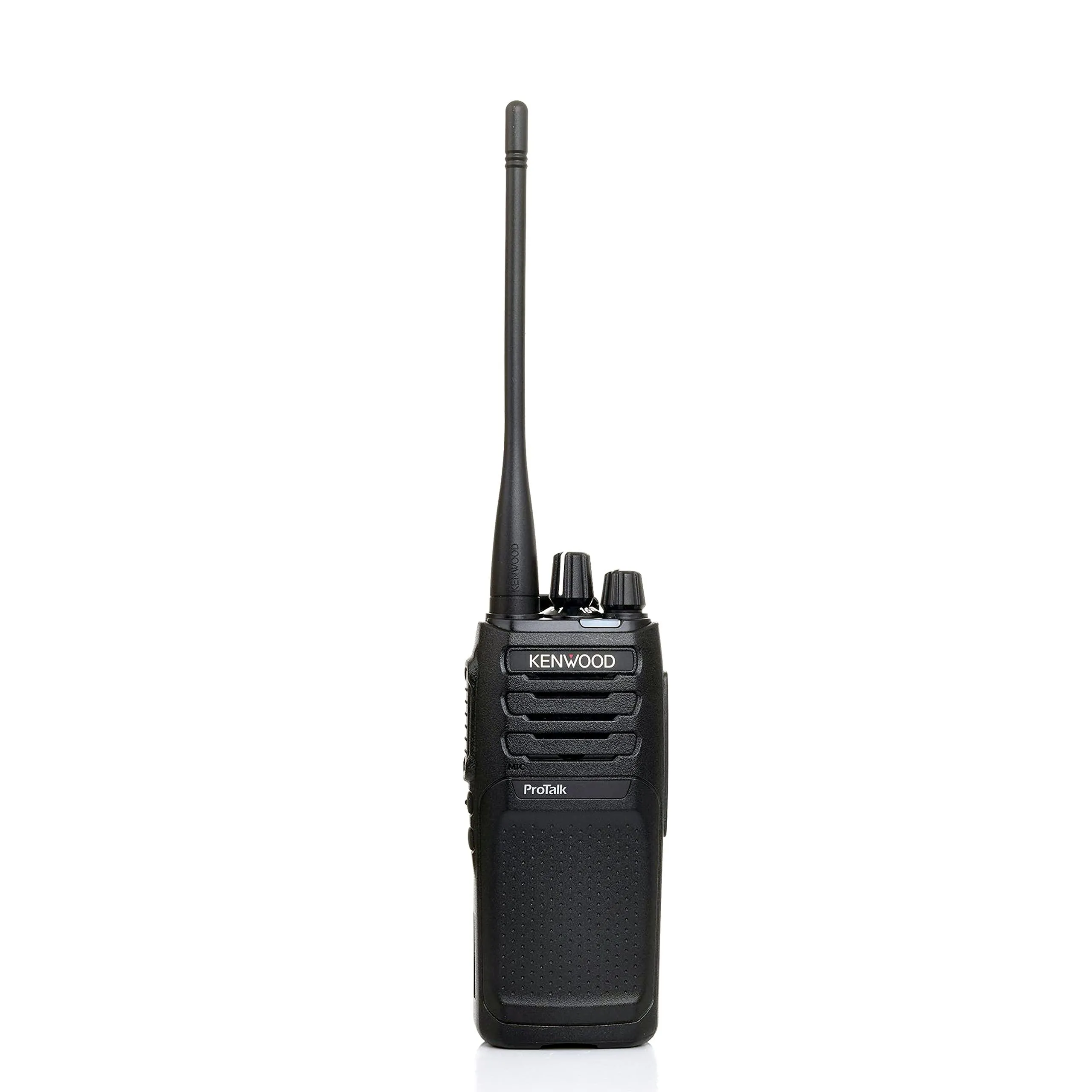
When selecting a two-way radio for your skiing adventures, it’s essential to consider several critical features that will enhance your experience and ensure safety on the slopes. Range is a primary factor; optimal radios can connect over several miles, especially in open terrain. Additionally, battery life is crucial, especially for full-day excursions, as a dead radio can leave you disconnected. A robust radio designed to withstand cold climates and impact is also beneficial, giving you peace of mind against the unpredictable elements. Other features to look for include:
- Water Resistance: Ensures functionality in snowy or wet conditions.
- Noise Cancellation: Helps maintain clear communication amid windy and bustling environments.
- multiple Channels: Allows you to switch frequencies for better connectivity among group members.
Furthermore,it’s worthwhile to explore models that offer specific ski resort features,such as built-in GPS and emergency alert functions. When comparing brands and models, consider the user interface; a simple, intuitive design can make all the difference when you’re wearing gloves. Below is a table comparing some popular two-way radios tailored for skiing:
| model | Range | Battery Life | water Resistant | Special Features |
|---|---|---|---|---|
| SnowTalk 3000 | 10 miles | 16 hours | Yes | GPS, SOS Signal |
| AlpineComm V2 | 8 miles | 12 hours | Yes | Noise Cancelling, Multiple Channels |
| FrostLink Pro | 15 miles | 20 hours | Yes | Voice Activation, Rechargeable |
Q&A
Q&A: Ski Resorts and Two-Way Radios: Keeping Slopes Safe and Organized
Q1: How do ski resorts utilize two-way radios on the slopes?
A1: Ski resorts rely on two-way radios as a vital communication tool among staff.Patrollers and ski instructors use these devices to coordinate efforts, ensuring swift response times to emergencies, manage crowd control, and maintain overall safety on the slopes.the radios facilitate seamless communication even in challenging weather conditions,where visibility might be low and conventional communication methods could fail.
Q2: What are some key features of two-way radios that make them suitable for ski resorts?
A2: Two-way radios designed for ski resorts come equipped with features such as robust build quality to withstand cold, wet conditions; long battery life to ensure constant communication during long shifts; and noise cancellation technology to filter out wind and other background sounds. Additionally, many radios have a range that covers large areas, allowing communication across the entire ski area.
Q3: In what situations are two-way radios crucial for ski patrols?
A3: Two-way radios are crucial during medical emergencies, avalanche alerts, lost skier reports, and any situation requiring immediate assistance. They allow ski patrols to quickly inform each other about hazardous conditions or incidents, dispatch medical support efficiently, and keep everyone informed about changing conditions on the slopes.
Q4: How do two-way radios enhance the overall skiing experience for guests?
A4: The presence of two-way radios among the staff contributes to a safer skiing environment, which in turn enhances the overall guest experience. With rapid response to any incidents, skiers feel more secure on the slopes. Furthermore, organized communications among instructors and staff lead to better management of lessons, equipment rentals, and crowd flows, allowing guests to enjoy a smoother, more relaxing skiing experience.
Q5: Are there any challenges associated with using two-way radios in ski resorts?
A5: Yes, while two-way radios are invaluable, they do face challenges. for instance, extreme weather conditions like heavy snow and high winds can interfere with radio signals. The battery life can also be a concern during long shifts without prospect for recharging. Additionally, staff must be trained on effective radio etiquette to prevent communication overload and ensure clarity during critical situations.
Q6: What role does technology play in the future of communication at ski resorts?
A6: The future of communication at ski resorts is highly likely to see advancements such as digital two-way radios that offer better clarity and features like GPS tracking and emergency alerts. integration with smartphones through specialized apps may allow real-time updates and communication among guests and staff. Additionally, innovations in cloud communication platforms could enhance coordination during busy periods, ultimately improving safety and guest satisfaction.
Q7: How can ski resorts choose the right two-way radio system for their needs?
A7: When selecting a two-way radio system, ski resorts should assess several factors: the size of the area being covered, the number of users, specific environmental challenges, and ease of use. Consulting with experienced vendors who specialize in communication solutions for outdoor industries can definitely help resorts find a tailored fit that meets their unique operational requirements. Testing different models in the actual skiing conditions can also provide insights into the best options available.
By focusing on effective communication, ski resorts can ensure a safe and enjoyable atmosphere for all snow enthusiasts, reinforcing the importance of integrating reliable two-way radios into their operational strategies.
future Outlook
As the sun sets behind the majestic peaks and the last skiers navigate down the slopes, the role of two-way radios in ski resorts becomes increasingly clear. These devices, frequently enough taken for granted, serve as the unseen backbone of mountain safety and organization, facilitating seamless communication among ski patrol, staff, and guests alike. In an environment where conditions can change rapidly and immediate action is critical, the importance of clear and reliable communication cannot be overstated.
As we close the chapter on our exploration of ski resorts and their reliance on two-way radios, it is evident that these tools do more than just connect voices; they foster a culture of safety and efficiency on the slopes. Whether ensuring the swift response to any accidents or simply coordinating the flow of skiers in crowded areas, two-way radios are vital in maintaining the integrity of the skiing experience.
So, the next time you strap on your skis and ascend the mountain, take a moment to appreciate the harmony created by these discreet devices—where technology meets adventure in a dance of safety and organization, ensuring that all who venture onto the snowy canvas can do so with confidence and peace of mind.with communication as our ally, we can all cherish the thrill of the slopes, together.