Blog
Construction Site Safety: Why Two-Way Radios Are a Foreman’s Best Tool


In teh bustling world of construction, where towering cranes and heavy machinery dominate the skyline, the rhythm of progress often comes with its own set of challenges. Amidst the clamor of beeping forklifts and the grinding of concrete mixers, effective interaction emerges as the cornerstone of a successful site. At the heart of this communication lies a tool that transcends the chaos—the two-way radio. For foremen, who juggle a myriad of responsibilities while ensuring the safety and efficiency of their team, these devices are more than just gadgets; they are lifelines. This article delves into the critical role of two-way radios in construction site safety, exploring how they enable real-time collaboration, enhance situational awareness, and ultimately protect the workforce as they build our world one structure at a time. Find walkie talkies suited to your team size and budget in our shop.
Table of Contents
- The Silent Lifeline: Enhancing Communication on Construction Sites
- Navigating Hazards: The Role of Two-Way Radios in Risk Management
- Empowering Foremen: How Efficient Communication Drives Productivity
- Best Practices for Utilizing Two-Way Radios in Construction Safety
- Q&A
- Future Outlook

The Silent Lifeline: Enhancing Communication on Construction Sites
Effective communication is the backbone of safety and efficiency on construction sites. In a bustling environment filled with heavy machinery and constantly shifting tasks, conventional methods of communication—like shouting across a site—simply don’t cut it. This is where two-way radios step in as essential tools for foremen and crew members. Utilizing these devices ensures that alerts about potential hazards, equipment availability, and updates on timelines can be disseminated instantaneously, streamlining workflows and dramatically reducing the risk of accidents. Enhanced features such as noise cancellation and long-range capabilities elevate the functionality, allowing teams to operate in even the loudest atmospheres without compromising clarity.
Moreover, the adoption of two-way radios fosters a culture of collaboration and accountability among the team. By establishing designated channels for specific tasks, team members can stay informed without the chaos of multiple conversations happening at once. This not onyl improves productivity but also enhances morale—workers feel empowered to report issues promptly, knowing they can voice concerns without delay. A brief overview of the benefits highlights the transformative role these devices play in modern construction sites:
| Benefits of Two-Way Radios | Description |
|---|---|
| Instant Communication | Immediate alerts and updates minimize the response time to hazards. |
| Improved Safety | Enhances the ability to identify and mitigate risks on-site. |
| Increased Efficiency | Streamlines workflow by coordinating tasks effectively. |
| Costa-effective | Reduces the need for additional personnel or resources for communication. |

Navigating Hazards: The Role of Two-Way Radios in Risk Management
In the fast-paced environment of construction sites, where every second counts and hazards lurk in unexpected places, effective communication is paramount. Two-way radios emerge as indispensable tools that equip foremen and their teams to prioritize safety while enhancing operational efficiency. These devices enable real-time dialog, allowing site supervisors to quickly alert workers about potential dangers such as falling objects, equipment malfunctions, or sudden changes in weather conditions. With just the push of a button, vital information circulates swiftly, helping to avert accidents that could lead to serious injuries or project delays.
Moreover, the integration of two-way radios fosters a culture of safety and collaboration on site. By maintaining open lines of communication, teams can engage in proactive decision-making and share responsibilities effectively. Consider the following benefits:
- Instant Alerts: Foremen can promptly notify crew members of unexpected risks.
- Enhanced Coordination: Clear communication aids in synchronizing tasks among multiple workers.
- Emergency Response: Fast access to support during incidents minimizes response times.
Using two-way radios sets a precedent for discouraging unsafe behavior and reinforcing the importance of diligence, ultimately transforming risk management into a shared responsibility among all team members.
Empowering Foremen: How Efficient Communication Drives Productivity
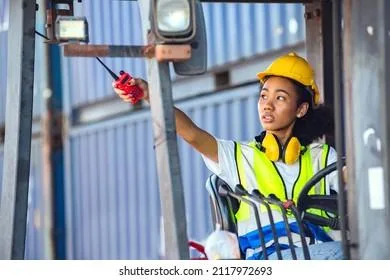
In the demanding environment of a construction site, effective communication is not merely a convenience; it is essential for success. Foremen, as the central figures in these operations, must ensure that every message—whether urgent or routine—reaches the right individuals without delay. The use of two-way radios enhances this transmission of information, empowering foremen to coordinate tasks, relay safety protocols, and respond to incidents promptly. this instant communication fosters a culture of efficiency, allowing workers to stay informed and engaged, ultimately driving productivity to new heights.
the benefits of two-way radios extend far beyond mere convenience. They ensure that vital information flows freely, regardless of external distractions and noise on-site. This level of clarity reduces misunderstandings that can lead to delays or accidents, promoting not just a productive atmosphere but also a safe one. Consider the following advantages that radios provide to foremen and their teams:
- Rapid Response: Immediate communication during emergencies ensures safety measures are enacted swiftly.
- task Coordination: Foremen can assign, adjust, and monitor tasks in real-time.
- Team Empowerment: Workers feel confident in expressing concerns or asking questions, enhancing teamwork.
- Reduced Miscommunication: Clear auditory channels minimize the chances of errors that can occur with written messages.

Best Practices for Utilizing Two-Way Radios in Construction Safety
To maximize the effectiveness of two-way radios in enhancing construction site safety, it’s crucial to establish a clear set of protocols. Designate channels for specific tasks or teams, allowing for minimal interference and focused communication. Regularly check equipment, ensuring that all radios are functioning properly before each shift. This practice can prevent miscommunication during critical operations. Encourage team members to articulate their messages clearly and use standardized language to avoid confusion,especially when conveying safety-related information or emergency responses.
Incorporating training sessions on radio use not only familiarizes the crew with the equipment but also emphasizes its importance in maintaining safety. These sessions should cover topics such as emergency communication procedures and proper etiquette, which can greatly streamline interactions. Providing a concise cheat sheet featuring essential phrases, emergency protocols, and contact information can also aid in swift communication during hectic situations. To further enhance safety, consider conducting weekly drills utilizing two-way radios, allowing your team to practice and reinforce their communication skills in real-life scenarios.
Q&A
Q&A: Construction Site Safety: Why Two-Way Radios Are a Foreman’s Best Tool
Q1: What role do two-way radios play in construction site safety?
A1: Two-way radios serve as a vital communication link on construction sites. They allow foremen and workers to quickly share vital information, coordinate tasks, and respond to emergencies. Clear,immediate communication helps prevent accidents,ensures that all team members are informed,and facilitates smooth workflow,ultimately enhancing overall site safety.
Q2: How do two-way radios improve communication on large construction sites?
A2: On large construction sites, noise and distance can hinder communication. Two-way radios cut through the chaos, allowing clear, direct communication regardless of environmental factors.Foremen can efficiently relay instructions to multiple crew members, monitor the progress of various tasks, and quickly address any safety concerns, helping to maintain a cohesive team operation.
Q3: Can you give examples of situations where two-way radios have been critical in preventing accidents?
A3: Certainly! As an example, if a crane operator needs to navigate a tight area while hoisting materials, they can communicate directly with ground crew members guiding them from below. In the event of an unexpected hazard, such as a falling object or an equipment malfunction, instant communication allows workers to quickly enact safety protocols, perhaps preventing injuries.
Q4: What features should foremen look for when choosing two-way radios for their teams?
A4: foremen should look for radios that are durable, weather-resistant, and have excellent battery life for long shifts. Features such as a good range, clear audio quality, and pre-set channels for different teams can enhance usability. Additionally, radios equipped with emergency buttons or alerts can ensure quick response to any urgent situations.
Q5: Are two-way radios difficult to use for individuals without technical experience?
A5: Not at all! Modern two-way radios are designed with user-friendliness in mind. Most models have simple interface buttons, intuitive designs, and often come with instructions for quick start-up. Training sessions can further ensure that all team members, regardless of their technical background, can employ these tools effectively.
Q6: How do two-way radios impact team morale and productivity on-site?
A6: Effective communication fosters a positive work environment. When team members feel informed and connected, it boosts their confidence and encourages collaboration. Two-way radios streamline the flow of information,minimizing misunderstandings and reducing downtime,ultimately leading to a more efficient team and higher morale.
Q7: Are there any alternatives to two-way radios that foremen might consider?
A7: While alternatives like mobile phones and hand signals exist, they may not be as effective in the demanding construction environment. Mobile phones can struggle with connectivity,especially in remote areas,and hand signals can lead to misinterpretation,especially over distances. Two-way radios remain the most reliable choice for instant, clear communication on site.
Q8: why should every foreman consider investing in two-way radios?
A8: Investing in two-way radios is an investment in safety, efficiency, and team cohesion. By providing reliable communication tools, foremen can enhance coordination, quickly address safety concerns, and facilitate a productive work environment, making two-way radios an indispensable tool on any construction site.
Future Outlook
As we navigate the complex landscape of construction site safety, it becomes evident that effective communication is the backbone of any successful project. Two-way radios, frequently enough overlooked, emerge as a foreman’s indispensable ally—bridging the gap between workers and supervisors, enhancing coordination, and ultimately safeguarding lives. By embracing this technology,construction teams can foster an environment where safety is prioritized,and every worker’s voice is heard.
In the ever-evolving world of construction, let us recognize that small changes can lead to big impacts. As we wrap up our discussion on the vital role of two-way radios, we encourage you to consider how this simple tool can elevate your safety protocols and enhance the overall efficiency of your site.Remember, in the cacophony of machinery and hard hats, clear communication can be the difference between a job well done and a preventable mishap. Together, let’s build a safer future—one transmission at a time.